











Stevens High School students are used to cold winters, but this winter has been a wild ride. With temperatures swinging from -10 degrees to nearly 70 degrees within the same week, the unpredictable weather is beginning to affect attendance, focus, and the overall learning environment.
These dramatic shifts have created a pattern of increased tardies, absences, and the vocational skip day. On colder days, icy days, icy roads and dangerous wind chills make transportation difficult for both bus riders and student drivers. Several students were staying home when the temperatures dropped below 10, especially when wind chills made it unsafe to wait outside for buses.
Yet just days later, temperatures climbed into the 70s – an unusual warmth for mid- winter. While the mild weather made travel easier, it created a different kind of distraction. Classrooms that had been overheated during cold spells suddenly feel stuffy. Switching between freezing and sweating in different classes throughout the day. Teachers have also noticed. Rooms on 3rd floor were hot enough to wear a T-Shirt while simultaneously being freezing in on 2nd floor, just one floor down.
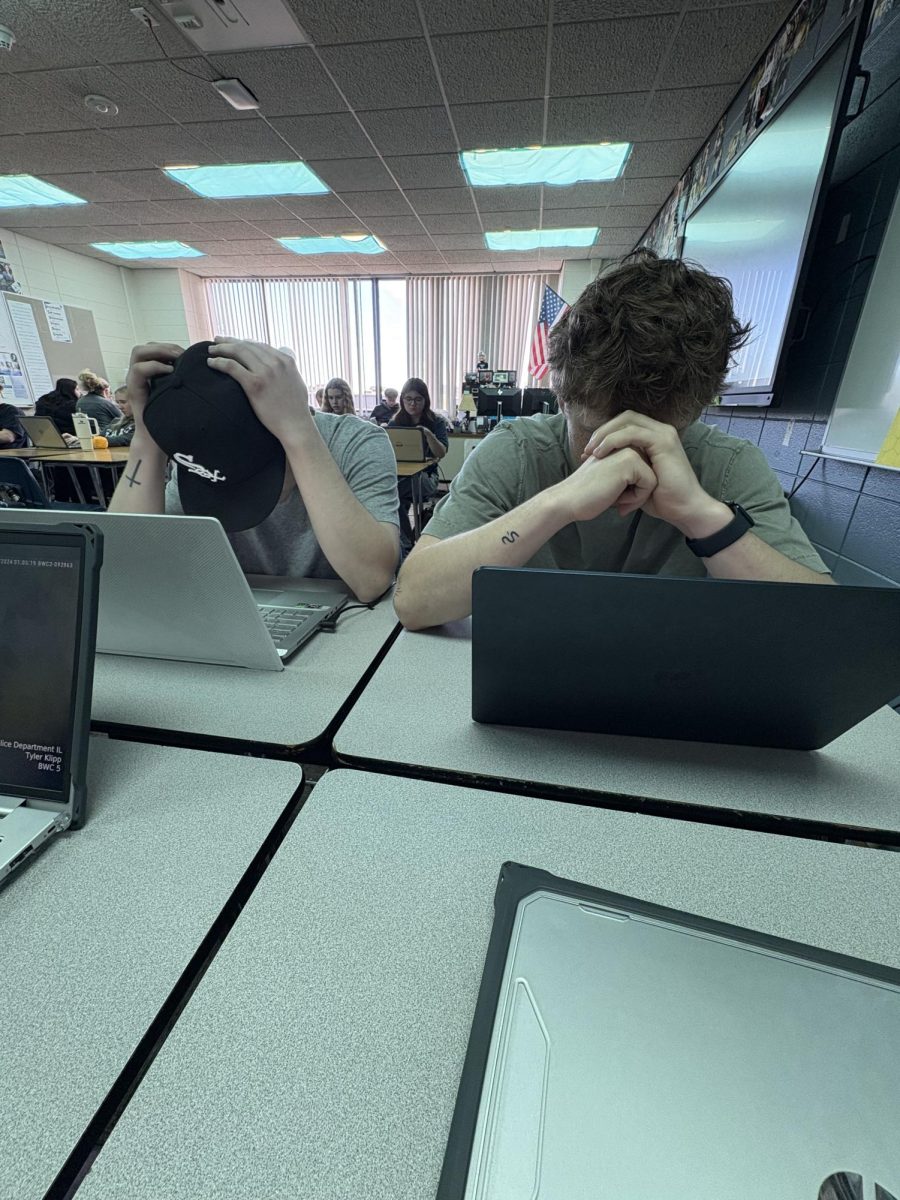
When attendance drops or students come in late, it interrupts the flow of lessons and teachers are forced to spend extra time catching students up, slowing down progress for everyone else especially with all of the sick students coming in and out of classes. Junior Tiersyn Synhorst shared that the lack of students attendance really effects the rest of the students because the teachers are forced to re-teach lessons and repeat information for students that missed.
The inconsistency makes planning difficult for staff. English and Journalism teacher Mrs. Dame stated that “It makes it tricky when kids are gone. Trying to get kids caught up is a delicate balance for sure.” Lesson schedules are adjusted to account for potential snow days, delayed starts, and unexpected absences. While group projects and tests are often postponed when significant portions of the class are missing.
School administrators emphasize that safety is the priority when making decisions about delays or closures. However, frequent schedule changes can disrupt routines, which experts say are important for academic success. Students thrive on consistency, and sudden changes – weather due to extreme cold or rapidly melting snow can throw off different routines and sleep schedules.
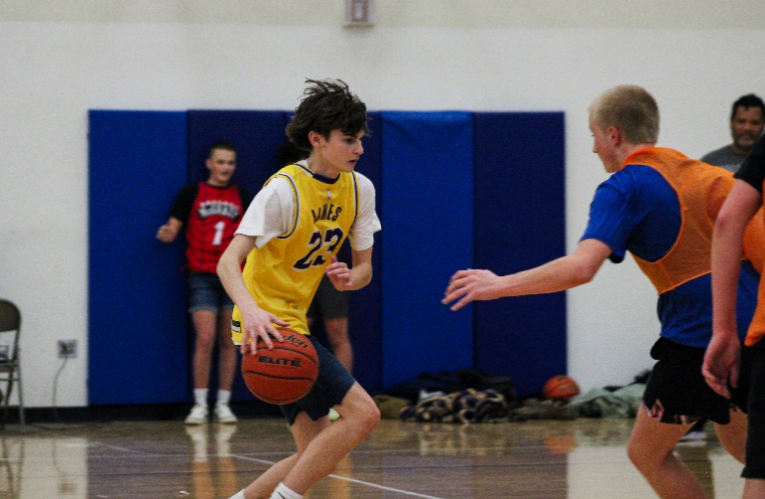
Beyond academics, the weather swings are affecting extra curricular activities. Winter sports practices have been canceled due to icy conditions, while warmer days have led to muddy fields for the start of track and field and limiting outdoor spaces. Clubs and after – school programs also face lower participation when transportation becomes unpredictable.
Some students say the constant weather changes impact their motivation as well. Despite the challenges, teachers and students are adapting. Many classes are using online platforms to post assignments in case of absences, and students are encouraged to check digital gradebooks regularly. Administrators continue to monitor weather forecasts closely to make informed decisions on these lessons.
As winter trudges on, Stevens High School faces the reality of a winter season that refuses to settle. Weather freezing or unusually warm, fluctuating temperatures serve as a reminder that learning can’t stop just because the weather doesn’t cooperate and make up its mind.